Blockout vs Sunscreen Roller Blinds: Which Should You Choose?
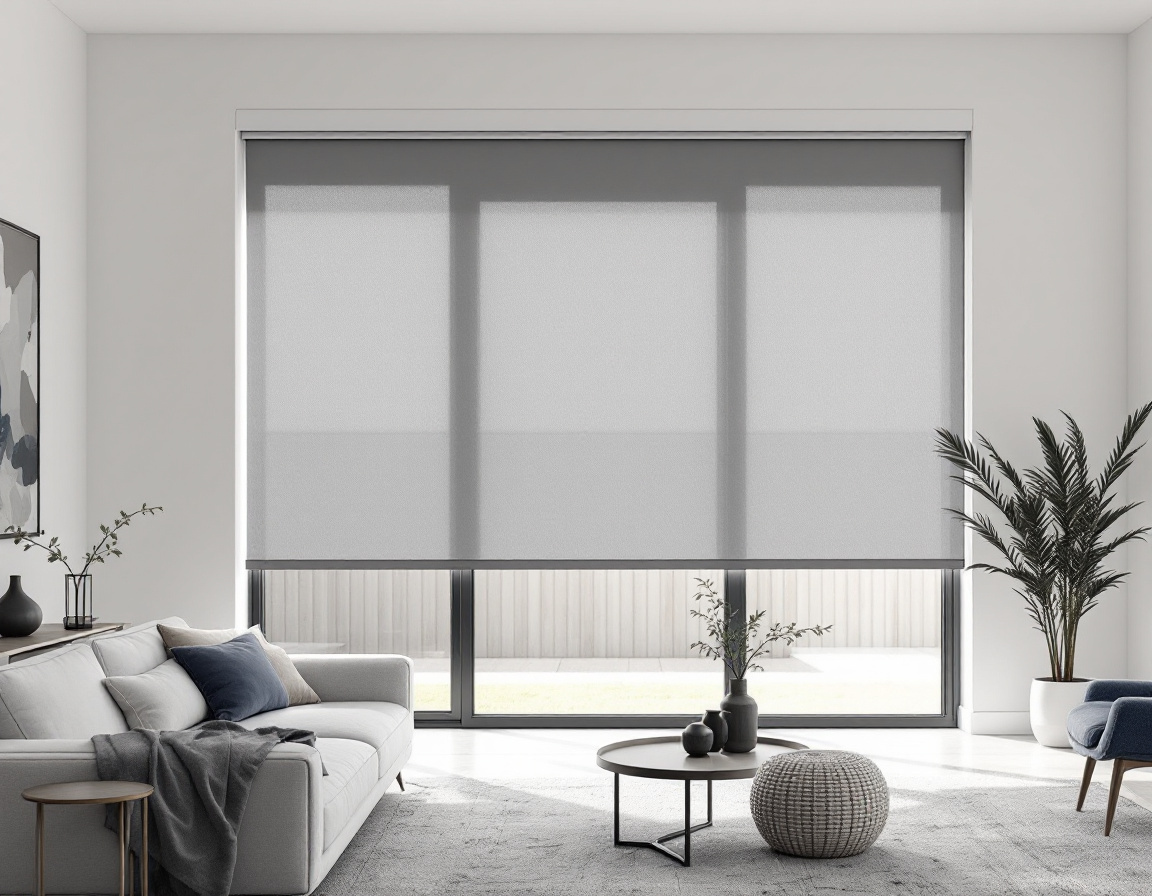
A west-facing living room in an Auckland summer and a street-facing bedroom are two different problems. One is glare on the television at five in the afternoon while you still want to see the garden. The other is a streetlight and a 5am sunrise when you are trying to sleep.
Blockout and sunscreen are the two roller fabrics people weigh up, and they are built for opposite jobs. Choosing the wrong one is the most common reason a blind gets replaced within a year.
What each fabric actually does
The roller mechanism is identical. The fabric is the whole difference.
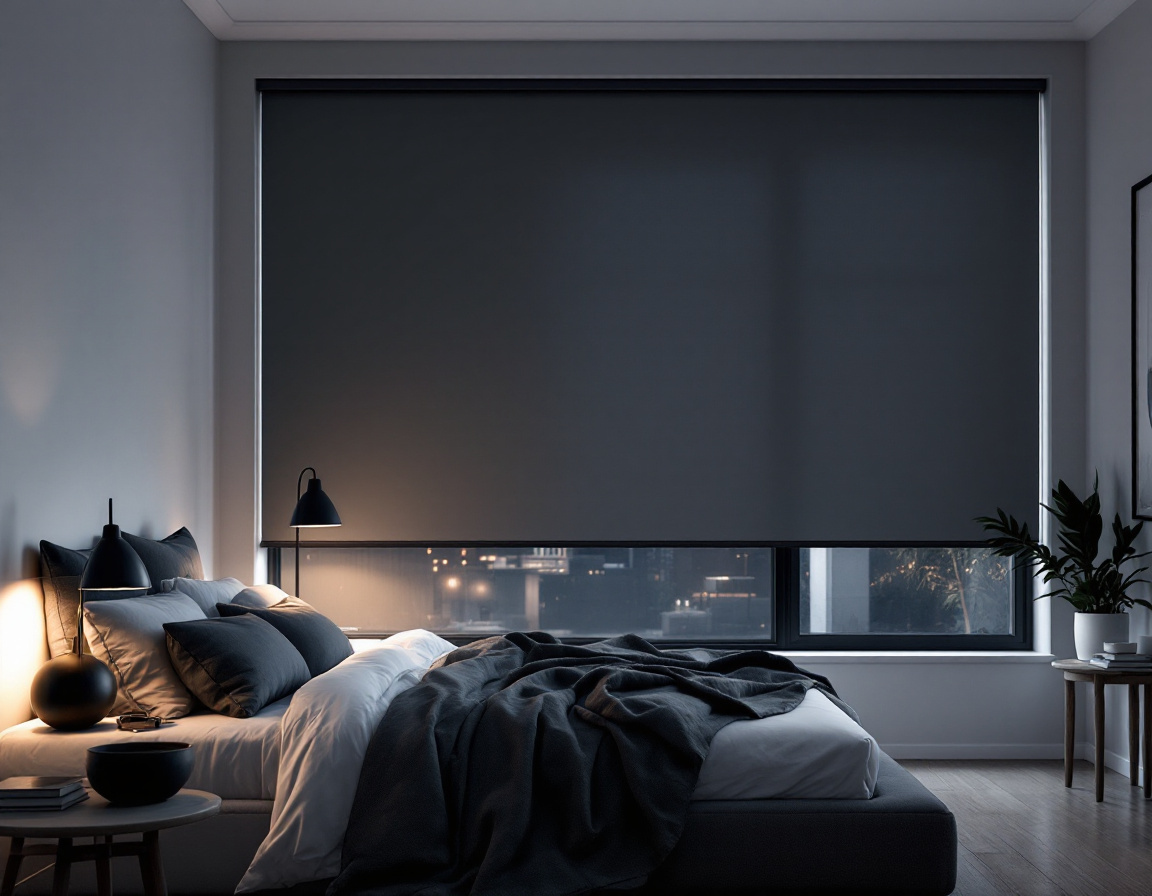
Blockout is an opaque fabric, usually with a backing coat, that stops light passing through it. Pull it down and the room goes dark. It also gives complete privacy at any hour, which matters more than people expect on a ground-floor street frontage.
Sunscreen is a woven mesh. It is designed to cut glare and filter UV while staying see-through in one direction during daylight, so you keep the outlook. Lower it on a big window and the room stays usable and bright, the glare comes off the screen, and the view is still there.
There is a third option that sits between them. Light-filter fabric is not see-through, so it gives daytime privacy, but it is not opaque either, so the room stays softly lit rather than dark. It is the usual pick for living and dining rooms where you want neither glare nor gloom.
All three come in the same made-to-measure roller blinds format, so the decision really is about the fabric and the room.
- Blockout: opaque, dark room, full privacy day and night
- Sunscreen: mesh, cuts glare and UV, keeps the view, no night privacy
- Light-filter: not see-through, not opaque, soft light plus daytime privacy
Openness factor: the number that decides a sunscreen
Sunscreen is not one fabric. It is a range, and the range is described by openness factor, which is the percentage of the weave that is open space. It usually runs from about 1% to 10%.
A 1 to 3% sunscreen is a tight weave. It gives more daytime privacy and cuts more glare, at the cost of some of the view. A 5 to 10% sunscreen is more open. You keep more of the outlook and more brightness, and you give up privacy and glare control in exchange.
This is the single most useful number to ask about, because two blinds both sold as sunscreen can behave very differently. A street-facing lounge usually wants the tighter end. A window looking over your own back garden can take the open end and keep the view.
- Openness factor runs roughly 1% to 10%
- 1 to 3%: more privacy, more glare control, less view
- 5 to 10%: more view and brightness, less privacy
The night-time catch with sunscreen
This is the part that surprises people, and it is worth being blunt about.
Sunscreen works by contrast. During the day it is brighter outside than inside, so you can see out and passers-by cannot easily see in. After dark, that reverses. With the interior lights on and the street dark, a sunscreen blind becomes see-through from the outside.
That is not a defect and it is not fixable by choosing a different sunscreen. It is how a mesh behaves. If the window is in a bedroom, a bathroom, or any room you use at night on a street frontage, sunscreen on its own is the wrong answer.
Where blockout earns its place, and where it does not
Blockout roller blinds are the straightforward choice for bedrooms, media rooms and anyone working shifts who needs to sleep in daylight. Darkness and privacy, any hour, no conditions attached.
Two honest caveats.
First, no roller blind takes a room to perfect darkness. The fabric blocks the light, but a roller sits on a bracket with a small gap of around 10 to 15mm down each side, and a thin line of light reads down the edges. In most bedrooms that is fine. If you need genuine full darkness, that gap is the reason a curtain over the top, or a double-track arrangement, does a better job than any single roller.
Second, blockout is all or nothing. Down, the room is dark. Up, you have bare glass. There is no middle setting. In a living room that is used all day, that lack of a middle is exactly why people end up leaving the blind up and living with the glare.
Worth clearing up while we are here: on the fabric names, blackout and blockout mean the same thing here, and the spelling difference does not indicate a different product.
- Blockout suits bedrooms, media rooms and shift workers
- Around 10 to 15mm of light reads down each side of any roller
- No middle setting, which is why it underperforms in all-day living spaces
When the answer is both: double day-night blinds
For most living rooms the honest answer is that neither fabric alone does the job, and the double system exists for exactly this reason.
A double day-night roller runs a sunscreen and a blockout on a single bracket at the same window. During the day you pull down the sunscreen: glare gone, UV filtered, view kept. At night you pull down the blockout: dark, private, done. One installation, two behaviours.
It costs more than a single roller and takes a slightly deeper bracket, so it needs planning at measure rather than being added later. On a large window in a room you actually live in, it is usually the arrangement people are happiest with a year on.
- Sunscreen and blockout on one bracket
- Sunscreen by day, blockout at night
- Needs planning at measure, not retrofitted
Room by room, quickly
Living and dining. Glare and UV are the problem, not darkness. Sunscreen, light-filter, or a double day-night system if the room is also used in the evening.
Bedrooms. Blockout. If the window faces the morning sun or a streetlight, plan for the side gap as well rather than being surprised by it.
Home office. Sunscreen at the tighter end of the openness range. You want the screen glare gone without losing the daylight.
Bathrooms and street-facing ground floor. Not sunscreen on its own, because of the night-time reversal. Blockout or light-filter.
Big windows and sliders with a view. Sunscreen is the reason the fabric exists. Keep the outlook, lose the glare.
Kitchens. Steam, splashes and cooking grease sit on fabric, so this is a maintenance decision as much as a light one. A tighter weave sheds less and wipes down more easily than an open one, and a blind mounted clear of the hob rather than directly above it will last longer. Light-filter is the common choice here because kitchens want brightness without a view straight into the sink from the street.
Fabric colour changes the result more than people expect
One thing that rarely comes up until installation day: the colour of a sunscreen changes what it does, independently of the openness factor.
A dark sunscreen absorbs light rather than bouncing it around, so it cuts glare hard and keeps the view out surprisingly crisp. It also reads darker in the room. A light or white sunscreen reflects more, so the room stays brighter, but you get more diffuse haze on a sunny elevation and the outlook is less clear.
The rule of thumb we use when we measure is dark for view and glare control, light for brightness. It is the opposite of what most people guess from a swatch on a table, because a swatch is not backlit and a window is. Hold it up against the actual glass before deciding.
Blockout colour matters far less for performance, since the fabric is opaque either way, though a pale blockout will show a brighter halo at the side gaps than a dark one.
Frequently asked questions
Can you see through sunscreen blinds at night?
Yes, from the outside, when your interior lights are on. Sunscreen relies on it being brighter outside than inside, so the effect reverses after dark. For rooms you use at night, pair it with a blockout layer or choose a different fabric.
What openness factor should I choose for sunscreen blinds?
Around 1 to 3% for street-facing rooms and home offices, where privacy and glare control matter most. Around 5 to 10% where the outlook is the priority and privacy is less of an issue, such as a window facing your own garden.
Do blockout roller blinds block all the light?
The fabric does, but the blind does not. A roller leaves a gap of roughly 10 to 15mm down each side, so a thin line of light shows at the edges. For full darkness, add a curtain over the top or use a double-track arrangement.
Are day-night blinds worth it?
In rooms used both day and night, usually yes, because a single fabric cannot cover both. In a bedroom you rarely sit in during the day, a single blockout roller is normally the simpler choice.
Are roller blinds safe around children?
Our roller blinds use safe-by-design chain systems that meet New Zealand child-safety standards, and motorised options remove the chain from the window entirely. Raise it at your measure and we will spec the room accordingly.
Next step
Fabric behaviour is very hard to judge from a photo and very easy to judge with a sample held against your own window at the time of day the problem happens. When we measure, we bring sunscreen samples across the openness range and blockout options, and we look at the aspect of each room before recommending anything.
Book a free measure and quote and we will work through it window by window.