What Are Automatic Blinds and How Do They Work?
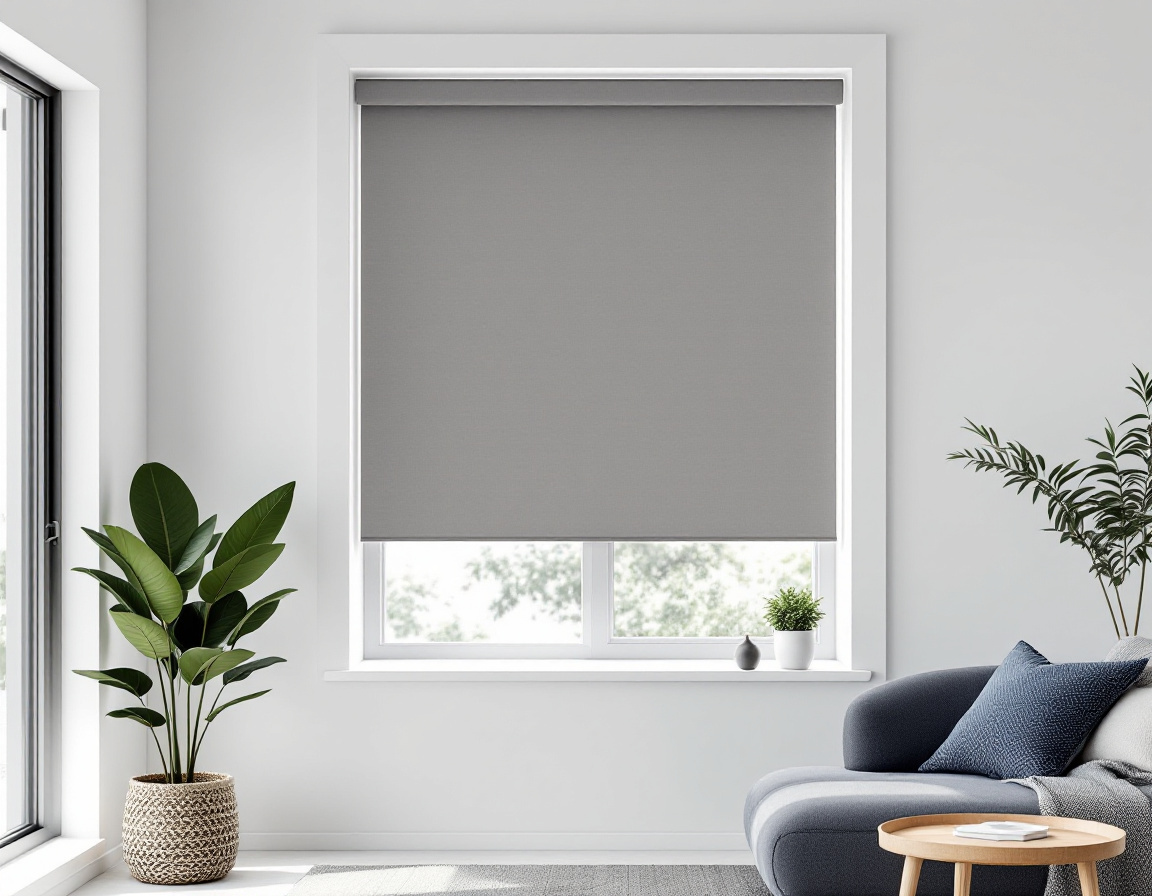
Automatic blinds are blinds that open and close on their own, without you reaching for a cord or chain. A small motor does the lifting, and you tell it what to do with a remote, a wall switch, your phone, or a set schedule. They are the same blinds you already know, just with the pulling done for you.
If you have seen them called electric blinds, motorised blinds or smart blinds and wondered whether those are all the same thing, this guide sorts out the words, explains how automatic blinds actually work, and covers where they are worth having in a New Zealand home.
The quick answer
What they are: blinds with a built-in motor that raises and lowers them for you.
How they work: a motor in the top of the blind moves it, powered by a rechargeable battery or mains wiring, and controlled by a remote, switch, app or timer.
Where they shine: large or high windows you cannot easily reach, homes with lots of windows, and anyone who wants blinds to open and close on a schedule.
What are automatic blinds?
An automatic blind is a normal blind with a motor built into it, so it moves without being pulled by hand. Most often the blind is a roller blind, with the motor hidden inside the roller tube at the top. Instead of a chain hanging down the side, you send the blind a signal and it rolls up or down on its own.
The appeal is partly convenience and partly tidiness. There is no cord or chain, which looks cleaner and removes the loose-cord hazard that matters in homes with young children. And because a motor can move several blinds at once, a whole room of windows can open together at the touch of one button.
How do automatic blinds work?
There are three parts to any automatic blind: the motor, the power, and the control.
- The motor sits inside the top of the blind and turns the tube to raise or lower it. It is quiet, and it can stop at any point you like, not just fully up or fully down.
- The power comes from either a rechargeable battery inside the blind or a mains connection wired in by an electrician.
- The control is how you tell it what to do: a remote, a wall switch, a phone app, or an automatic schedule.
Press the control and it sends a signal to the motor, which moves the blind to where you asked. Set a schedule instead, and the blind does it at the same time each day with no input from you. That last part, running on its own, is what makes a motorised blind an automatic one.
Automatic, electric, motorised or smart: what the words mean
These terms get used loosely, and a lot of the confusion is just wording. Here is how they line up.
| Term | What it usually means |
|---|---|
| Motorised blinds | Blinds with a motor, moved by a remote or switch. The core term. |
| Electric blinds | The same thing, named after the motor. Common in New Zealand searches. |
| Automatic blinds | Motorised blinds set to run on a schedule or sensor, so they move on their own. |
| Smart blinds | Motorised blinds connected to an app or a smart-home system for phone and voice control. |
In practice they overlap. Electric blinds and motorised blinds describe the hardware, while automatic and smart describe how you use it. The blind is the same; the difference is whether you press a button each time or set it to run itself.
How you control automatic blinds
The control is where automatic blinds feel like an upgrade. Depending on the setup, you can use:
- A handheld remote for one blind or a whole room.
- A wall switch that stays in one place, like a light switch.
- A phone app to control blinds from anywhere in the house or away from home.
- A schedule or timer so blinds open in the morning and close at night on their own.
- Voice control through a smart-home system, if the blinds are connected to one.
- A sun or light sensor on some setups, so blinds lower when the sun hits the room.
A remote or wall switch talks to the blind directly and works out of the box. Phone, voice and scheduling usually need a small hub or bridge that links the blinds to your home wifi, which is a one-off setup rather than something you think about day to day.
How automatic blinds are powered
There are two ways to power the motor. A rechargeable battery sits inside the blind and is topped up every several months, with no wiring needed, which makes it the simpler option for an existing home. A hardwired blind connects to mains power and does not need charging, but the wiring is best set up by an electrician, usually during a build or renovation. Which one suits you depends on the room and whether power can be run to the window, and it is one of the main things worked out at a measure. We cover the choice in more detail on our motorised blinds page.
Which blinds can be automated?
Roller blinds are the most common automatic blind, and they suit sunscreen, blockout and light-filtering fabrics equally well. Other styles can be motorised too, but the roller is the workhorse because the motor tucks neatly into the tube. If you are choosing fabric as well as automation, the same fabric options you would pick for a manual roller blind apply here.
Are automatic blinds worth it? The honest pros and cons
Automatic blinds are a real upgrade for some windows and a harder cost to justify for others, so it is worth weighing both sides.
The case for them: there are no cords to pull or trip over, a whole room of blinds can move together at one touch, a schedule runs without you lifting a finger, and windows that are high or hard to reach become easy and safe to control. In a large or busy home, that convenience adds up fast, and the cordless design is a genuine safety benefit around young children.
The trade-offs: automatic blinds cost more upfront than a manual blind, battery versions need recharging every so often, and hardwired versions need power run to the window. For a single window that is easy to reach, a manual blind may be all you need.
The honest test is the window and the household rather than the technology. Hard-to-reach glass, a room full of windows, young children, or anyone who finds cords difficult all tip the balance toward automatic. A single low window in a spare room usually does not.
Where automatic blinds are worth it in a NZ home
- Large or tall windows: stairwell, void and floor-to-ceiling windows that are hard or unsafe to reach by hand.
- Lots of windows in one room: open-plan living areas where one button moves them all together.
- Media rooms: close everything for a movie without getting up.
- Accessibility: a real help for anyone who finds cords and chains difficult.
- Homes with young children: no hanging cords to worry about.
- Everyday routine: blinds that open in the morning and close at dusk on a schedule.
Frequently asked questions
Are electric blinds and automatic blinds the same thing?
Close. Electric blinds and motorised blinds describe a blind with a motor. Automatic blinds are those same blinds set to run on a schedule or sensor, so they move on their own rather than only when you press a button. Electric blinds is a common way to describe them, and electric blinds NZ is a popular local search.
Do automatic blinds need to be plugged in or wired?
Not necessarily. Battery-powered blinds have a rechargeable battery inside and need no wiring, so they suit an existing home. Hardwired blinds connect to mains power and are usually set up during a build or renovation.
How often do battery automatic blinds need charging?
For a typical home, every several months rather than often. Heavier daily use shortens that, and lighter use extends it. The battery is recharged in place without taking the blind down.
Can my existing blinds be made automatic?
Sometimes, depending on the blind and its hardware, though in many cases replacing the blind is more reliable than converting it. It is worth asking at a measure, where the existing setup can be checked.
Do automatic blinds still work in a power cut?
Battery-powered blinds keep working in a power cut, because the motor runs off its own battery rather than the mains. Hardwired blinds pause until the power is back, though depending on the setup many can still be moved by hand.
Do automatic blinds need much maintenance?
Very little. Battery models need an occasional recharge, and both types benefit from the same gentle dusting any blind does. With no cords or chains to wear out or replace, there is actually less to go wrong than on a manual blind.
Next step
Automatic blinds take a familiar blind and do the pulling for you, on a remote, an app or a schedule. If you have a hard-to-reach window, a room full of windows, or you simply like the idea of blinds that run themselves, they are worth a look. See fabrics and options on our motorised blinds range, then book a free measure and quote in your area.