How to Measure for Curtains: Get the Width and Drop Right First Time
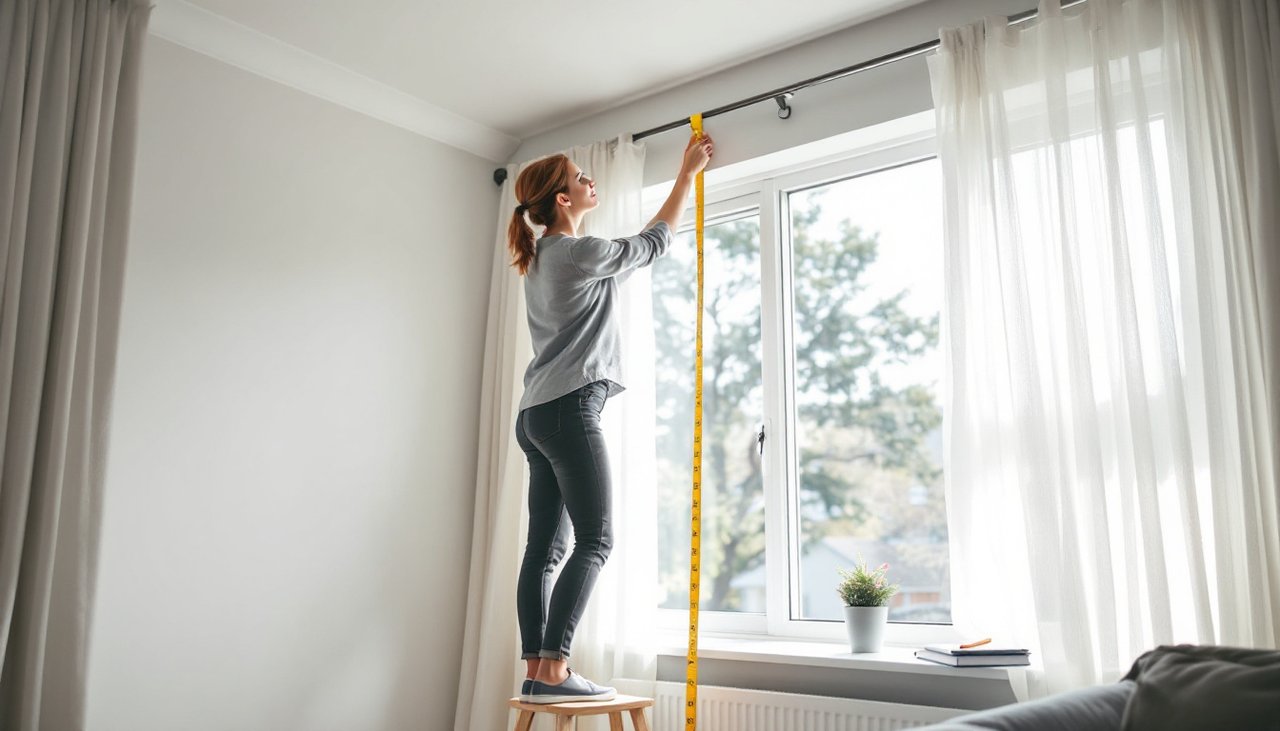
Measuring for curtains starts at the track, not the glass. Width is the finished track or rod length plus the return at each end, and the drop runs from the top of the track down to wherever you want the fabric to stop. Fullness, heading style and fabric width are all worked back from those two numbers.
Get the order wrong and the result is predictable: a curtain that floats above the floor, or one that sits so tight to the opening it blocks the light it was meant to control.
Book the free measure and quote before you commit to a fabric, not after. Fabric is cut to the width taken on site, so the measure has to happen before the order goes in, and the figures below are for planning, not for cutting.
Step 1: Decide What Each Window Needs to Do
Before the tape comes out, write one job beside each window. Darkness for a bedroom, daytime privacy in a street facing lounge, glare control where a screen sits, or softening a wide opening. The job decides the hardware, and the hardware decides what you measure.
A single track carries one layer. A double track carries sheers in front and blockout behind, which needs deeper brackets and more clearance from the wall. Decide that now, because adding a second track after the first is fitted usually means new brackets and a fresh set of measurements.
West facing rooms across Auckland take a harder hit from late sun than the plans suggest, so treat glare as its own job rather than folding it into privacy. Compare what each layer actually does across the curtain range before you settle on one.
- Action: write the job (darkness, privacy, glare, softening) beside every window on a room list.
- One layer or two is a hardware decision, and it changes the bracket depth you need.
- Windows in the same room can have different jobs, so do not standardise too early.
Step 2: Measure the Track or Rod, Not the Glass
Curtains are made to the track. Measure the full length of the track you intend to fit, then add the return at each end, which is the short bend that carries the fabric back to the wall and closes the light gap down the side.
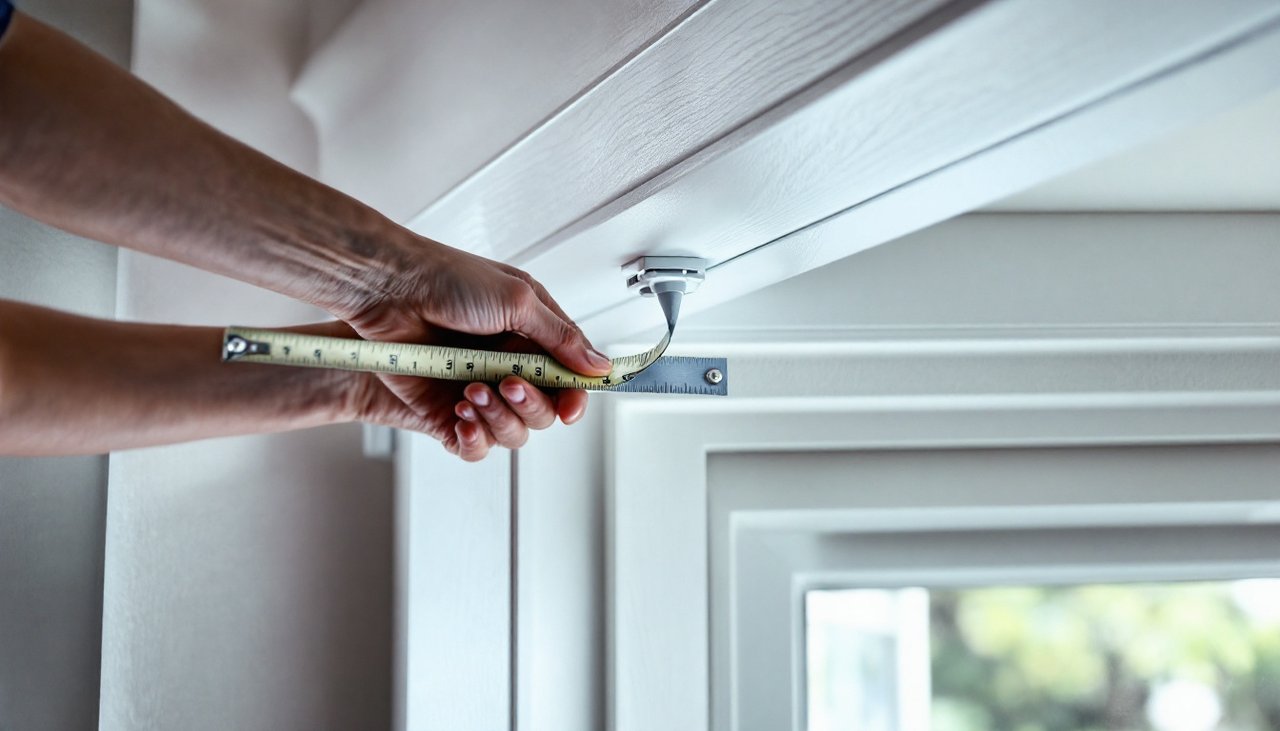
As a planning rule, run the track 15 to 20 cm past the window opening on each side. Where there are architraves, work from the outside edge of the architrave rather than the glass. If the track is not up yet, measure the line where it will go.
Use a steel tape rather than a fabric one, and record everything in millimetres, which is what workrooms quote and cut in. On anything over about two metres, have a second person hold the other end so the tape cannot sag.
- Action: record a track width in millimetres for every window, return included.
- Track height usually sits 10 to 15 cm above the opening, or at the ceiling for an S fold look.
- Measuring the glass instead of the track is the most common reason a quote has to be redone.
Step 3: Take the Drop Three Times, Then Choose Where It Stops
Measure the drop three times on every window: left, centre and right. Older Auckland villas and bungalows rarely give the same number three times, and a variance of 1 to 2 cm across a three metre window is normal rather than alarming.
Measure from the top of the track, or from the bottom of the rings if you are using a rod, down to the finish point. For floor length curtains, work from the shortest of the three drops so no part of the fabric drags.
Then pick the finish:
- Sill length stops 1 to 2 cm above the sill.
- Below sill stops 10 to 15 cm under the sill, which suits kitchens and windows with a bench beneath them.
- Floor length stops 1 to 2 cm above the floor, the usual choice for lounges and bedrooms.
- Extended rests 2 to 5 cm on the floor for a soft break, and only works on a floor you are happy to have fabric sitting on.
- Action: log three drops per window and note the finish you want beside each one.
- Floor length is cut from the shortest drop, never from the average.
- New flooring changes the drop, so measure after the floor covering is decided.
Step 4: Map the Obstacles Around the Window
Stack space is the wall the curtain sits on when it is fully open, and it is the measurement most people skip. As a planning figure, allow 20 to 25 cm of stack for every metre of track when the fabric is lined, so a three metre ranchslider wants roughly 60 to 75 cm of clear wall on each side if you want the glass fully uncovered.
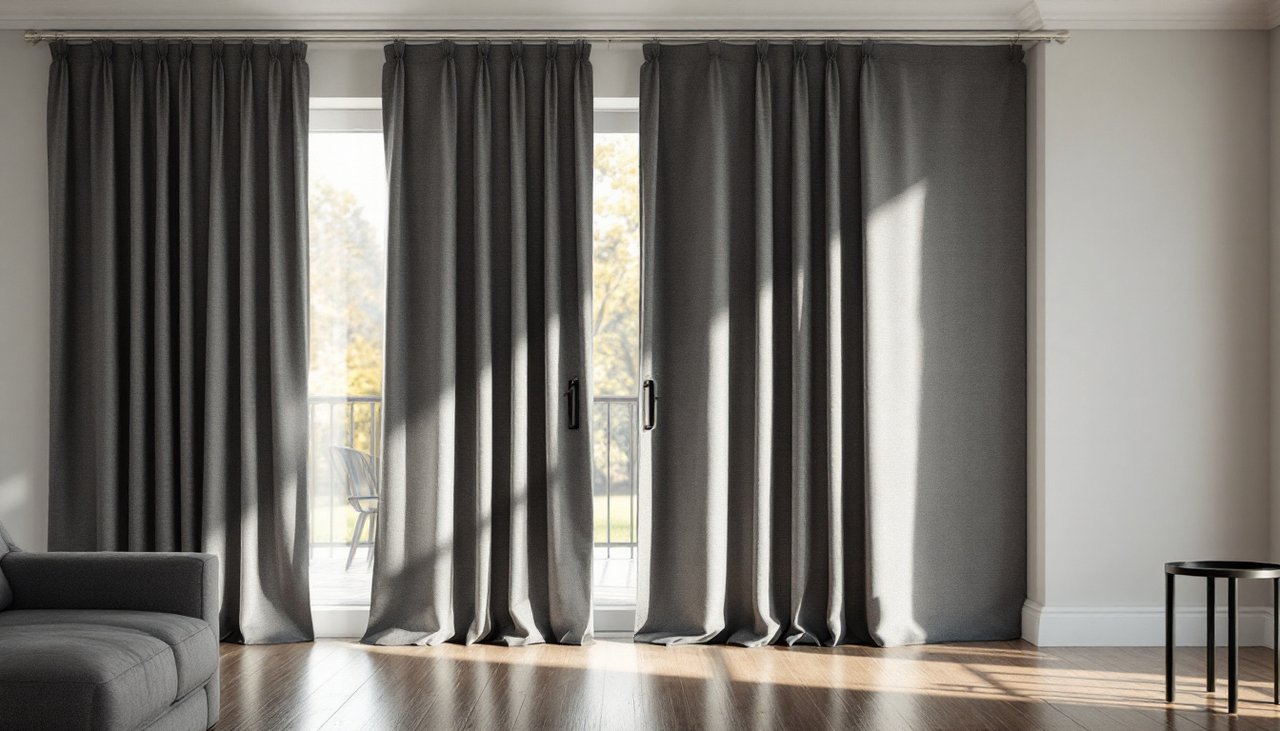
Then walk the window and write down what is in the way:
- Ranchslider and door handles the fabric can foul.
- Window seats, bedheads, wardrobe doors and open shelving.
- Wall switches and sockets sitting behind the stack.
- Corner windows where two tracks meet, and bulkheads above the opening.
If a child sleeps in the room, settle the control type at the same time. Cords on window coverings have a serious safety history in New Zealand, and the Consumer Protection guidance on blind and curtain cord safety is worth two minutes before you specify a corded track over a wand or a motorised one.
- Action: note the obstacles and the available stack wall on both sides of every window.
- Too little stack wall usually calls for a wider track, not a narrower curtain.
- Control type (cord, wand, motorised) belongs in the measure, not in an afterthought.
Step 5: Set the Fullness Before You Price Any Fabric
Fullness is how much fabric runs across the track, and it moves a quote more than almost any other decision. Most made to measure curtains are cut at 2 to 2.5 times the track width, so a three metre track carries six to seven and a half metres of fabric across the header.

Sheers generally sit at the fuller end, where the gather is the whole point. S fold curtains run to the ratio their track is built for, which is why changing heading style late alters the fabric quantity rather than just the look.
Fabric width matters as well. A 140 cm fabric needs joins on a wide window, while a wide width fabric can often run in one piece, which changes both the price and the way a pattern falls. Check how fit and finish are specified on made to measure curtains before falling for a fabric that has to be joined twice.
- Action: multiply your track width by 2 and by 2.5 to see the fabric range the window sits in.
- Heading style and fullness are one decision, not two separate ones.
- A cheaper fabric hung full can cost more than a better fabric hung lean.
Step 6: Write One Line Per Window and Photograph Every One
Turn the loose numbers into a single line per window, because a list is what makes two quotes comparable. Room, window type, track width, three drops, finish, heading, layers, control type, obstacles.
Photograph each window straight on, then take a second shot from the side that shows the wall the curtain will stack onto. Photos catch what a tape misses, such as a sill deeper than it looked or a bulkhead sitting 4 cm proud of the wall.
Keep the whole lot in one place and take it with you. Standing in front of fabric with your own window list is a far shorter conversation than starting from memory.
- Action: build a room by room list with one line per window, on paper or on your phone.
- Two photos per window, one front on and one from the side.
- Have the list with you when you view fabric, so choices get checked against real widths.
Step 7: Book the Free Measure Before You Commit to Fabric
Your numbers are for planning. The measurement a workroom cuts to is the one taken on site by the people who will also fit the track, because that is where responsibility for the fit sits.
An in home measure is free, and it settles stack space, bracket depth and out of level floors in one visit. Arrive with your list and the appointment becomes a check rather than a start from scratch.
Do it before fabric is ordered. Once fabric is cut to the wrong width, the remedy is another cut, not an adjustment.
- Action: book a free in home measure now, while the room is still at the decision stage.
- Have your own numbers checked at the appointment rather than quietly replaced.
- Handle fabric samples in person before committing to a colour or a weave.
Answering the Questions That Come Up Mid Measure
Do I measure the window or the track?
The track. Curtain width is the finished track length plus the return at each end, so if the track is not up yet, measure the line where it will go and allow 15 to 20 cm past the opening on each side. Measuring the glass gives a curtain too narrow to clear the window when it is open.
How far above the window should a curtain track sit?
Around 10 to 15 cm above the opening is the normal starting point, and lifting the track higher, or to the ceiling, makes the window read taller. Check for bulkheads, cornices and light fittings at that height before you fix the number.
Should curtains touch the floor?
Floor length curtains usually stop 1 to 2 cm above the floor so they hang clean and do not drag. An extended finish resting 2 to 5 cm on the floor is a deliberate look, and it suits a formal lounge better than a busy hallway.
How do I measure a window that needs sheers and blockouts?
Measure for both tracks. The front track is normally slightly wider and needs deeper brackets so the sheer clears the layer behind it. Both layers share the same drop reference point, though the finished lengths can differ by a centimetre or two.
Can I order made to measure curtains from my own measurements?
Use your own numbers for planning, layout and comparing options. For the order itself, an on site measure is what protects the fit, because it also captures bracket depth, wall type and floors that are not level.
Book the Free Measure Before the Fabric Is Cut
You now have a width, a drop, a stack allowance and a fullness range for every window in the house. That is enough to plan the job and enough to compare options honestly. What it is not is a cutting list.
Send your window list through and book your free measure and quote while the room is still open. Book it before you order any fabric, because the width a workroom cuts to is set by the on site measure, not by your planning numbers.
- Action: book the free measure and quote this week, list in hand.
- Bring any fabric you are leaning towards so it can be checked against the real widths.
- Confirm control type and which side the curtain stacks to before anything is ordered.